
A vegan diet is said to be healthy. What should you pay attention to?
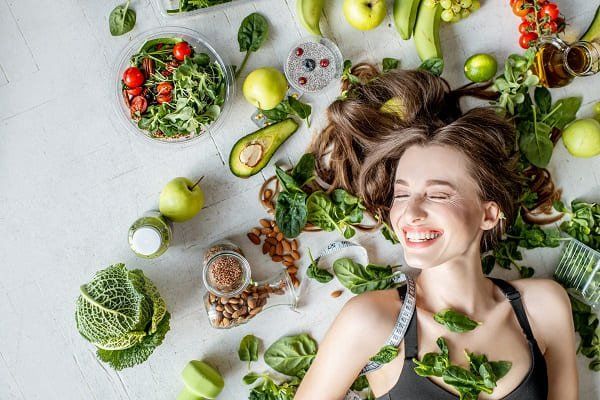
How healthy is a vegan diet really?
Dangerous hype or healthy change in diet? Vegan eating is attracting more and more supporters and followers. But questions about this animal-friendly diet are also piling up. Which information is true, and what do you need to consider if you want to eat vegan without health or ecological disadvantages?
What does a vegan diet actually mean?
Vegans do not consume any animal products. Apart from its cultural background, this way of eating emerged from vegetarianism. Vegetarians, however, mostly consume hen's eggs, honey or dairy products. Vegans strictly reject everything of animal origin. Ethically motivated vegans extend their renunciation of animal products to their everyday lives, for example by boycotting clothing made of leather or silk.
Motivations for changing your diet
- Interest in animal welfare
- Political motivation
- Health aspects
- Spiritual principles
The decision to eat vegan can have various reasons and is a personal conviction. Whatever your motivation is - there are a few things to keep in mind so that the change in diet succeeds for you and you don't suffer any health disadvantages from a vegan diet.
What health benefits does a vegan diet have?
When done right, a vegan diet has considerable, positive effects on health, because vegans mostly pay much more attention to their diet and prefer healthy foods. By avoiding animal fats, they have significantly lower cholesterol levels, and the often increased potassium intake from eating more fruit and vegetables greatly supports heart health. The conscious lifestyle of many vegans makes them more capable and lowers their risk of developing obesity, diabetes, cancer or high blood pressure.
Fast food for vegans
Vegan eating has meanwhile become easier in everyday life, and at least in the big cities there is a wide range of vegan foods in supermarkets; there are vegan restaurants and vegan dishes in many eateries. Nevertheless, there is of course the risk that, especially when starting a vegan diet, out of ignorance and lack of time you turn into a fast-food vegan.
Instant porridge in the morning, lots of potato chips, roasted peanuts, vegan superfood bars during the day - all of this is quick to grab, and then in the evening a vegan schnitzel with avocado mashed potatoes. Eating the whole day without animal products - but also without any health awareness. Veganism does neither automatically make you slim nor instantly healthy. It is not only iron deficiency or undersupply of vitamin B12 that vegans must guard against - there is also the danger of neglecting a healthy diet in the effort to avoid animal products.
The most important nutrients for a vegan diet
If you want to eat vegan, you should observe the following substitution rules so that you don't suffer any nutrient loss. This list shows you which substances your body needs and how you can incorporate them into your vegan meal plan:
- Protein is an indispensable building block of your body. With a vegan diet you forgo important protein sources such as meat or dairy products. You should consume at least 0.8g/kg body weight of protein per day. You can cover this need quite well with soy products, legumes, or nuts and oats.
- You can get calcium, for example, from sesame pastes or broccoli and other green vegetables - try steamed kale with almond butter and roasted sesame for lunch.
- Getting enough iron is often difficult for non-vegans too. Iron is important for oxygen transport in the blood - if you feel tired and drained on a vegan diet, it is often because you are not taking in enough iron. Include plenty of legumes and whole grain products in your vegan diet; long-fermented sourdough bread is also a good source of iron.
- Non-vegans mainly take in omega-3 fatty acids through the fish on their plate. This is where the powerfood comes into play: chia seeds, hemp oil or flaxseeds are good alternatives.
- Vitamin D and vitamin B12 are the most common arguments against a vegan diet. When you forgo animal products, deficiency symptoms can quickly occur. Unless you live in a sun-blessed country like India, where vegan eating is often practised for religious reasons, you will hardly be able to avoid nutritional supplements in the form of vitamin B12 complexes. You should also go outside every day - even when the sun isn't shining, your vitamin D levels will thank you.
Vegan diet for risk groups
Pregnant women and breastfeeding women should take special preparations with nutrient complexes if they do not want to give up a vegan diet. Nowadays there are a large number of different supplement products available at pharmacies. A vitamin B12 deficiency can quickly become life-threatening for infants, so no risk may be taken here.
Athletes can be enabled to achieve top performances through a conscious vegan diet. If you do a lot of sport, you should definitely make sure to adjust your protein intake. Lupin flour, a still relatively unknown flour made from the legumes of the sweet lupin, is a source of high-quality protein and is excellent for making pancakes after training.
Feeding children and toddlers a vegan diet involves a bit more planning. The child will probably also ignore their vegan diet at a party now and then. As long as the child plays outside enough in the sun to gain vitamin D and fun, and the increased calcium needs during growth are taken into account in the meal plan, there are no risks of deficiency here.
All or nothing? A vegan diet is not a one-way street
If you simply want to take a look and try out whether a vegan diet is something for you - go ahead. You will notice after just a few days whether your body reacts with more power or rather with tiredness. Both are possible - check whether you have supplied yourself sufficiently with nutrients. Even if you decide against continuing this way of eating - having a vegan day now and then can benefit you and your environment, since many vegan products are produced and distributed sustainably and in a climate-friendly way.
If you are unsure whether a vegan diet would restrict you too much in your everyday life, get good vegan cookbooks and look for fellow enthusiasts among your friends. And at your next doctor's visit, have a blood test done so that you can adjust your vegan meal plan to your needs.
