
Protein overdose: 3 signs that you're eating too much protein.
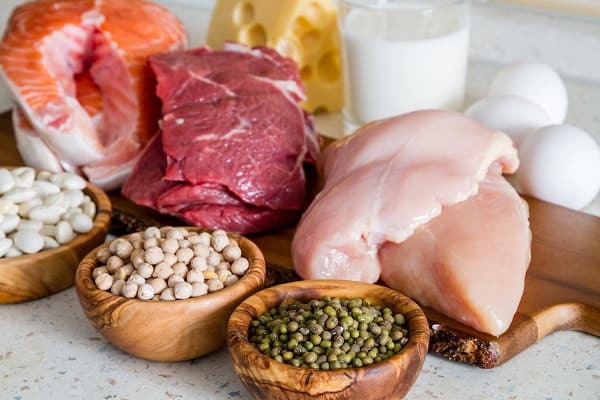
Protein overdose: 3 signs that you're eating too much protein.
When too much protein becomes unpleasant: doctors repeatedly warn that too much protein can lead to a protein overdose, which is associated with unpleasant side effects and risks. We show you which side effects can occur and which signs you should watch out for. With the help of 5 selected signs of too much protein, you can quickly recognise when a protein overdose may occur and when you need to act.Possible side effects of a long-term protein overdose
If you consistently consume too much protein, you run the risk of long-term problems that negatively affect your whole organism. One of these dangers is the "acidification" of the body. It should be noted, however, that such "acidification" occurs mainly with an animal protein overdose. Plant proteins, on the other hand, produce smaller amounts of ammonia and are considered much healthier in this context. One risk that can arise from too much protein is an increased risk of developing osteoporosis. A long-term protein overdose causes important minerals to be leached from the bones. The risk of osteoporosis rises significantly. In addition, the risk of rheumatism and gout increases, which is mainly due to the "acidification". To a certain extent you can counteract this risk by increasing your fluid intake. The more water you drink, the better the toxins are flushed out of your body.Kidney damage from protein overdose
Another risk of too much protein concerns the kidneys. When proteins are metabolised in the human body, metabolic intermediates are produced. In particular, this involves ammonia, which is processed in the liver. Within the liver, ammonia is converted into urea and then transported to the kidneys. The urea is finally excreted as urine via the kidneys. A long-term protein overdose can overload the liver and kidneys and thus lead to problems with these organs. A short-term protein overdose is certainly not classed as organ-damaging. However, if you consistently consume too much protein, it is advisable to keep an eye on your intake and also on your kidney and liver values. If anything irregular occurs, you can quickly change course and reduce your protein intake accordingly.3 signs of too much protein
Before serious consequences of a protein overdose occur, there are various signs that may indicate you are consuming too much protein. Below we would like to introduce five different signs that you should pay attention to.1. Weight gain due to too much protein
What you certainly don't want: more weight on your bones. This of course does not mean muscle mass. Generally, a protein-heavy diet leads to weight loss in the short term. This is mainly because carbohydrate amounts are usually reduced, and along with the glycogen the water content in the cells also drops. In the case of a long-term protein overdose, the protein is not stored in the muscles but is metabolised as additional energy. Thus more calories are taken in, which can lead to weight gain. Naturally, this only applies if the calorie balance is positive.2. Bad breath from too much protein
Unpleasant bad breath can indicate too much protein. If carbohydrates are reduced and protein is taken in excess, the body enters a state of ketosis. In such ketosis, fatty acids are converted into so-called ketone bodies within the liver. These ketone bodies, or rather the conversion, cause an unpleasant smell in urine and breath. Typically an acetone smell arises, which faintly resembles nail polish remover. Since the odours come from within, even the best and most intensive oral hygiene cannot change this symptom. If you consume too much protein or have even taken a protein overdose through supplements, you can reduce the unpleasant smell with rice, wholegrain bread, salad or baked potatoes. These foods help create a balanced nutrient ratio. Nevertheless, the unpleasant smell must be taken seriously, and protein intake should be reduced and fat intake increased.3. Increased thirst indicates protein overdose
When you consume a lot of protein, you experience increased thirst. This need for fluid is mainly due to the overloading of the kidneys. After all, they have to work harder to remove the protein overdose and the metabolic intermediates. In this context, you also tend to urinate more frequently. The only option you have is to drink more and reduce the amount of protein you take.
A protein overdose can bring unpleasant side effects in the long term. Generally, it is advisable to monitor your protein intake somewhat and not to exceed 2 g of protein per kilogram of body weight over the long term. If you do consume more than 2 g of protein per kilogram of body weight over the long term, you should have your kidney and liver values checked regularly. Furthermore, we exclusively recommend high-quality products with detailed intake recommendations, with which you can prevent health risks.
