
What makes a high-quality protein powder?
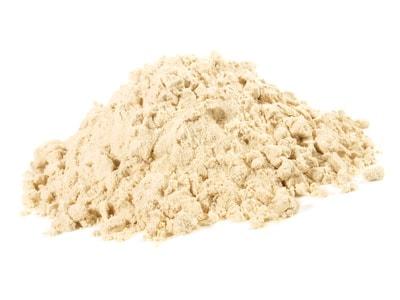
High-quality protein powder. Does it even exist?
How often have we heard this sentence: “I don't consume protein powder, I don't want chemicals, I prefer to eat naturally.” What does a high-quality protein powder actually consist of? How do the protein sources differ? In this blog post, we clear things up.
What types of protein powder are there?
There are now a great many different protein powders on the market. Almost every day new brands appear with even more unusual names. Many consumers no longer see through it. Rightly so!
Basically, protein powders can be divided into animal and plant-based protein powders.
Plant-based protein powders are usually the following:
Soy protein
Rice protein
Pea protein
Lupin protein
Hemp protein
Pumpkin seed protein
etc.
Animal protein powders:
Milk protein (mixture of whey protein and casein protein)
Casein protein
Whey protein (also called milk serum protein)
Egg protein (egg white protein)
Now there are some very clever manufacturers who give their protein tubs a fantasy name. However, you can easily tell which protein it is. A glance at the ingredient list is all it takes. Always pay attention to the order. The ingredients listed first are dosed in the highest amount. This order of ingredients is regulated by law.
Which protein sources are best for building muscle?
Basically, animal protein sources are better for building muscle because of their amino acid composition. This was scientifically studied in 2009 (Tang et al. 2009). For this, 18 young, trained men were recruited. They completed intensive strength training (leg extensions and leg press) to muscle failure. In addition, all participants consumed either whey protein, soy protein or casein protein after muscle training. 3 hours after taking the protein shakes, all participants had a muscle tissue sample taken from both thighs using biopsy needles, and the mixed muscle protein synthesis rate was determined.
The muscle building rate showed clear differences depending on which protein source was consumed. Whey protein increased the muscle building rate the most, followed by soy protein. Casein protein showed the smallest effect.
A high-quality protein powder for building muscle is therefore whey protein. Soy protein can also achieve good effects. For this, the protein powder should be enriched with BCAAs.
How is a high-quality protein powder made?
Let's look at this using the example of whey protein (also called milk serum protein). Whey protein is a natural product made from milk. During cheese production, whey separates from the mass (the casein) and rises to the surface. This can then be concentrated using filtration techniques and subsequently spray-dried. This yields a whey protein powder that contains approx. 30 g of protein per 100 g of powder. It can then be filtered further (ultrafiltration). Through ultrafiltration, a protein content of at most 80 g of protein per 100 g of powder is achieved.
If you now want to increase this protein content further, two different processes can be used.
Ion exchange chromatography
This is the most commonly used process. Here, the amino acids are separated based on their electrical charges. Chemicals are used in this process. These may destroy the valuable, health-promoting protein fractions. The proteins thus lose their biological activity.
Cross-flow microfiltration (CFM)
This process is the gentler of the two filtration options. No chemicals and no heat are used here. The health-promoting protein components can therefore be preserved.
Both processes produce a so-called whey protein isolate powder without lactose and with very little fat. The protein content is approx. 90 g of protein per 100 g of powder. This form of whey protein is therefore also suitable for people with lactose intolerance.
What should you look out for when you want to buy a high-quality protein powder?
The fact is that the price often does not reflect the quality of the product.
You should keep the following points in mind when buying protein powder:
Buy pure whey protein. Protein blends from different sources usually contain cheaper raw materials.
No amino acids should have been mixed into the whey protein. L-glutamine is often added. This amino acid brings no additional effect and is very cheap to buy.
The whey protein should not contain thickeners. There are still manufacturers who add thickeners to whey protein to achieve a better consistency and save money in production.
When buying whey protein isolates, make sure that CFM (cross-flow microfiltration) is declared on the packaging. Then you can be sure that it is the gently produced CFM whey protein isolate. Whey protein isolate is especially suitable for people with lactose intolerance.
If you buy whey protein concentrate, the protein should contain between 70 g and 80 g of protein per 100 g of powder. Otherwise, thickeners have been added (you can check this on the ingredient list) or it contains a whey protein that has been filtered less and therefore contains less protein and more carbohydrates (lactose).
The ingredient list of a high-quality whey protein therefore looks as follows: whey protein isolate (98%, contains emulsifier sunflower lecithin), flavouring, sweetener sucralose.
