
Whey Protein: Tips for Taking Protein Powder the Right Way

Whey Protein - Tips for the Optimal Protein Powder Intake
Whey Protein has been one of the most popular supplements for athletes for many years. However, taking Whey Protein regularly isn't enough on its own to achieve the best possible effect. Only if you look closely at your individual needs and dose the protein powder accordingly can you achieve maximum results from supplementation.
What Is Whey Protein?
Many athletes know that protein is an important component for the human body. However, not all protein is the same. If you've already had a look at the wide range of products on the market, you'll certainly have noticed that protein powders can have quite different names - Whey Protein being one of them.
Whey Protein is a protein obtained from milk whey through filtration. Compared to conventional protein powder, Whey Protein contains particularly high amounts of amino acids such as L-leucine and L-glutamine. L-leucine in particular plays an important role, as it is essential for protein metabolism in the muscles. Furthermore, its biological value is very high. This indicates how efficiently the human body can convert animal protein into its own body protein. The advantage of Whey Protein lies mainly in the fact that it raises the concentration of amino acids particularly quickly and significantly. This results in rapid muscle protein synthesis.
In addition to Whey Protein, there are also protein powders labelled Whey Protein Isolate. This protein powder is a special form of Whey Protein. Using microfiltration, the protein is extracted from milk and separated from lactose and fat in the process. This makes it not only easier to digest, but also ideal for supplementing with protein powder during low-carb diets.
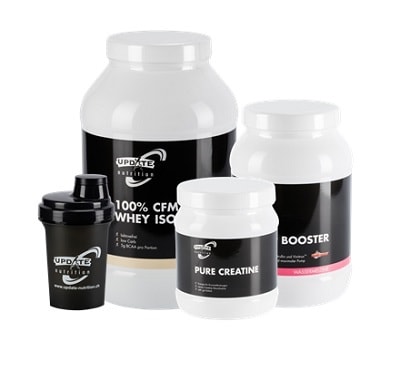
Why Is Correct Intake Important?
To understand why correct protein intake is so important for athletes, it's worth taking a look at the properties of protein. It's important for muscle both when building and maintaining muscle mass. That's why you should always make sure that your protein powder intake covers your needs for both building and maintaining muscle. Only this way can you support muscle growth while at the same time preventing the degeneration of muscle mass you've already built.
The latter aspect becomes especially apparent during diets. If you decide to go on a diet, you need to pay even closer attention to your intake of important macronutrients. Otherwise, there's a risk that muscle growth and muscle regeneration during sleep will be inhibited by too little protein intake. To prevent this, supplementing with protein powder is usually essential.
The Right Dosage of Whey Protein
To get maximum efficiency from an external protein intake, it's important that the protein powder is taken in the right amount. The body's regular protein requirement is around one gram per kilogram of body weight per day. However, if you do a lot of sport, especially strength training, your requirement is significantly higher. In such cases, the daily amount needed is between 1.2 g and 1.7 g of protein. For an 80-kilogram man, this equates to a daily requirement of 96 g to 136 g. For many athletes, this amount is barely achievable through regular food alone, since strength training often coincides with dieting. To ensure you still get enough protein, you can turn to Whey Protein in the form of protein powder and work it into your nutrition plan.
When Should You Take Protein Powder?
Whey Protein has a special property that makes it particularly valuable for athletes. The body is able to absorb and process the protein quickly. That's why taking it before and after training is ideal. Whey Protein you've consumed reaches its full effect after around 45 minutes. A further 45 minutes later, it's already fully digested. That's why taking protein powder requires both good timing and real discipline. Depending on training intensity, you should take around 22 g of Whey Protein or 25 g of Whey Protein Isolate every three to five hours. Taking it directly after training is especially important for building muscle. That's why protein powder made from Whey Protein is particularly suited as a shake straight after training. When taking protein powder in the form of Whey Protein, you can also increase the dosage after training. Since your protein requirement is especially high at this point, you can use up to 40 g of protein powder to prepare the shake.
Many Different Ways to Take It
Thanks to its wide range of flavours, protein powder is usually taken as a shake, mixed with milk or water. However, especially with Whey Protein, you can get quite creative and consume the protein powder in other forms too. For example, instead of water or milk, you can also use fruit juice or coconut water, or even add it as an ingredient to a smoothie.
So you're not reliant on taking it as an instant drink in the form of a shake or smoothie every day, you can also simply mix Whey Protein into yoghurt or quark, or even use it for baking. In some cases, you can even replace ingredients like flour or sugar with protein powder.
This Is a Mistake You Should Avoid
Beginners in particular mistakenly believe that a high intake of Whey Protein not only meets their daily protein requirement but also boosts its effect. This, however, is wrong. When it comes to taking protein via supplements like protein powder, the sole aim is to meet your requirement. Overdosing, on the other hand, isn't counterproductive for building or maintaining muscle mass, but it can lead to unwanted side effects. These include, among others, stomach ache, bloating, skin blemishes, and significantly increased kidney activity. However, these side effects are only to be expected in the case of overdosing. That's why you should always avoid taking more than three grams of protein per kilogram of body weight per day.
