
How to Find the Right Running Shoes
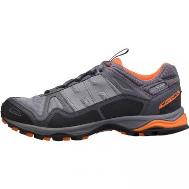
Running only requires two things: good shoes and functional sportswear suited to the weather! The right running shoes are especially important for trouble-free running. The key criteria are your foot type, your foot's rolling motion, and what you'll be using the shoes for.
Our feet are constantly in use. All sorts of things can overload them. Hard floors, standing for long periods or shoes that are too small can lead to foot misalignment or weak muscles. Because running can put forces of up to four times your body weight on your musculoskeletal system, even the smallest misalignment becomes noticeable during daily training and leads to pain. That's why choosing the right running shoes is crucial for pain-free, injury-free running training.
To find the right running shoes, take your time and get personal advice at a specialist sports shop (note the tips in the box). The staff there can respond precisely to your needs and requirements. This allows each runner's individual rolling motion to be measured with an analysis device (e.g. DR. Feet at Athleticum). Combined with the specialists' experience, the perfect running shoes can then be chosen for anyone. Even the best running shoes don't last forever. Depending on your running style, the model and your weight, a pair of shoes can cover between 500 and 1500 running kilometres. After that, the cushioning and support system are no longer working optimally. That's why it's worth it for runners doing two or more training sessions a week to wear two different pairs of shoes alternately. This increases their lifespan and cushioning properties.
Clothing matters too
Besides running shoes, functional clothing is also part of a good training session. Starting with your feet. Make sure you wear the right socks. Special running socks have no seam over the toes, reinforced areas against blisters, and are made from synthetic fibres. When it comes to clothing, it's especially important to wear breathable fabrics and avoid clothing made of cotton.
