
Microfibre Explained
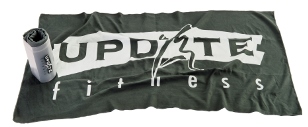
For once, we don't want to write here about a fibre in the body, or perhaps in food. Instead, we're interested in the microfibre found in the new update towels.
Definition:
A fibre is called a microfibre when 10'000m of it weighs less than 1g. This is up to 3 times less than, for example, cotton. Human hair serves as a comparison: at 50 to 70µm, it's 5 to a good 20 times thicker than a microfibre at 3 to 10µm.Structure:
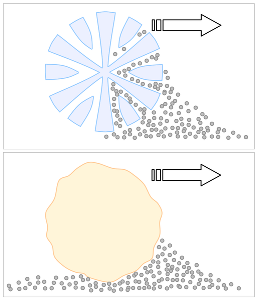
However, due to the structure of the microfibre, the surface area isn't correspondingly smaller than with a normal fibre. The combination of significantly more fibres per weight and their special structure results in a much-improved absorption capacity. The retention capacity for both water and dirt is also many times higher.
Using microfibres produces exceptionally soft, shape-retaining fabrics.
Applications:
As well as being used as drying cloths, microfibres are mainly used as high-performance cleaning cloths that need little or no cleaning agent at all. Similar fibres are also used in functional clothing and imitation leathers (such as Alcantara).
Composition:
Our microfibre towels are made of 80% polyester and 20% polyamide.
Care recommendations:
To avoid impairing the absorption and retention capacity of our microfibre towels, we recommend keeping the following in mind when caring for them:
- Wash at max. 60°C
- Wash separately at first.
- Don't wash together with cotton or put in the tumble dryer.
- The towels dry best crease-free in the air, on a hanger or on the line.
- So if you do use the tumble dryer at all, dry at max. 60°C.
- Iron only at a low temperature.
- Microfibre towels shouldn't be bleached.
- Don't use fabric softener.
